Why Lily is the Modern Typography Choice for Bold Creators
When you scroll through a sea of content, only a few pieces actually make you pause. In the world of design, typography is usually the silent workhorse, but occasionally, a typeface comes along that demands to be the lead singer. That is exactly what Lily brings to the table. It is a premium font that doesn't just sit on the page; it performs. For designers and business owners looking to inject some genuine personality into their work, moving away from the standard sans serif font or predictable serif font is essential. Lily offers that escape route. It is a decorative display font built with intricate details and artistic flair, designed specifically to create that "wow" factor that separates amateur work from professional, high-impact design.
The Visual Personality of Lily
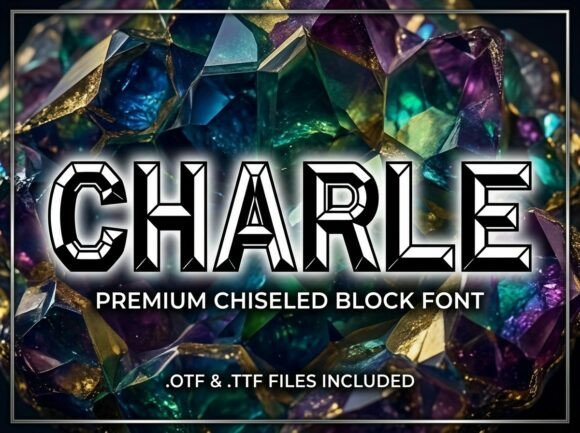
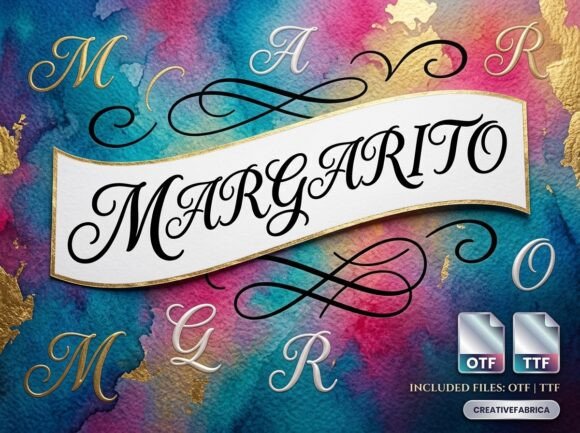
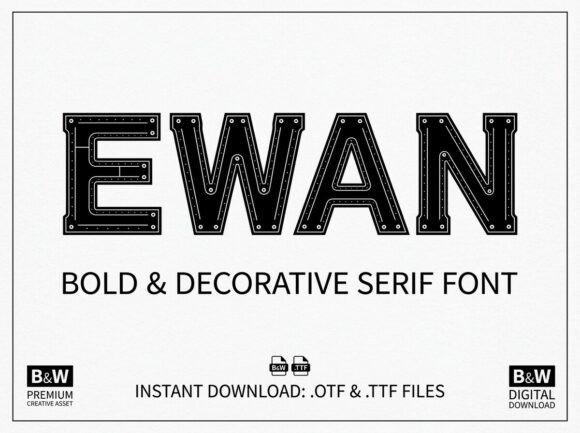
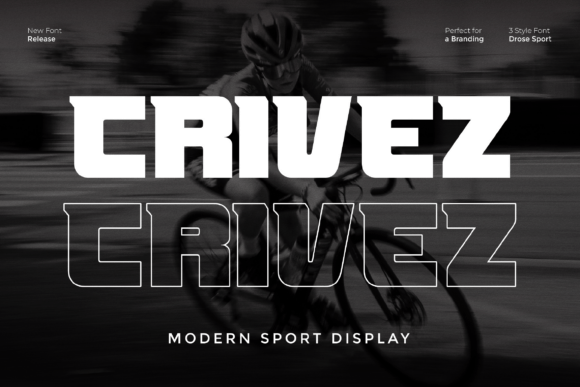
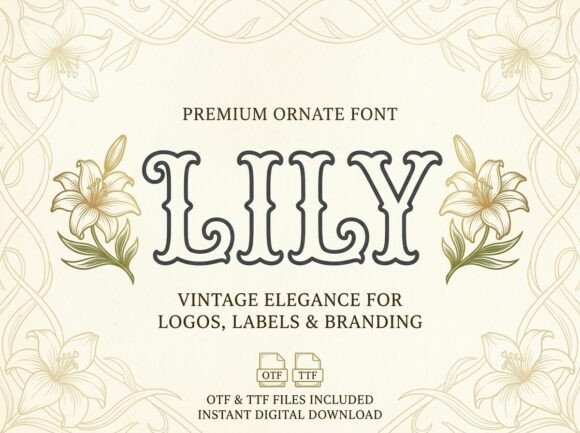
What makes Lily stand out in a crowded marketplace of creative fonts? It comes down to its unique letterforms. Unlike the rigid geometry of a modern sans serif or the traditional curves of a classic serif, this typeface embraces artistic expression. It features distinct stylistic elements that give the text a hand-crafted feel without sacrificing the clean finish required for commercial use. It strikes a balance between being bold enough to grab attention and detailed enough to hold it.
When you use Lily, you are effectively using typography as a design element itself, rather than just a vessel for information. It has a strong visual personality that suggests creativity, modernity, and confidence. This isn't the font you choose for the fine print on a legal document; it is the font you choose when you want the words to do the heavy lifting in your composition. For projects where the typography needs to stand out—like a modern poster or a hero image on a website—this font provides the visual weight and artistic character necessary to anchor the design.
Strategic Applications: Where Typography Does the Talking
Choosing the right design assets can be overwhelming, but understanding where a specific typeface shines makes the decision easier. Because Lily is a display font, it is engineered for impact rather than long-form reading. This makes it incredibly versatile across specific industries and creative fields. If you are working on brand identity for a creative business, this font allows you to build a unique voice immediately. A logo design using Lily tells potential customers that the brand is innovative and unafraid to stand out.
Here are a few practical scenarios where this font excels:
- Branding & Logos: For entrepreneurs and small business owners, a logo sets the stage. Using a creative font like Lily helps build a memorable brand identity that feels artistic and premium. It is particularly effective for lifestyle brands, boutique agencies, or artisanal products.
- Poster Design & Event Art: In editorial design and advertising, hierarchy is everything. Lily works beautifully for headlines that need to be unmissable. Whether it is a music festival flyer, an album cover, or a gallery exhibition poster, the font provides the necessary energy to draw people in.
- Packaging Design: On a crowded shelf, packaging needs to convey quality instantly. Using Lily for product names on packaging design can give your items a premium, artistic shelf presence that competitors using standard fonts might lack.
- Apparel & Merch: The T-shirt and merch market relies heavily on typography that speaks to a lifestyle. This font is perfect for hoodies, tote bags, and streetwear where the graphic text is the main design feature.
- Social Media Graphics: Algorithms favor engagement, and visuals drive engagement. Making your quotes, announcements, or sale promotions stand out in a busy social feed is much easier with a bold, stylized typeface.
Integrating Lily into Your Design Workflow
As a designer or content creator, your tools need to work as hard as you do. One of the practical strengths of Lily is its compatibility. It integrates seamlessly with professional software like Adobe Illustrator, Photoshop, and InDesign, but it also works perfectly in beginner-friendly platforms like Canva. This accessibility makes it a valuable asset for a wide range of users, from seasoned graphic designers to bloggers and hobbyists managing their own web design and social media content.
However, using a display font effectively requires a bit of strategy. Here are a few tips for getting the most out of this typeface:
- Font Pairing is Key: Because Lily is detailed and bold, it pairs best with something more subdued. Try matching it with a clean, simple sans serif font for body text. This contrast ensures your headlines pop while your supporting copy remains highly readable.
- Test for Readability: While Lily is designed for clarity, intricate decorative fonts can lose legibility at very small sizes. Always test your designs at the intended viewing size. It performs best as a headline or large display element rather than for micro-copy.
- Review the Styles: Check the included styles within the font family. Many premium fonts include alternates or ligatures that can add even more flair to your specific project.
- Licensing: Ensure your usage aligns with the font’s commercial license, especially if you are using it for client work, merchandise, or digital products.
Elevating Brand Perception Through Modern Typography
Ultimately, the fonts you choose tell a story about the quality of your work. In a digital landscape where everyone is competing for attention, relying on default system fonts can make your brand feel generic. Incorporating a distinct typeface like Lily is an investment in your visual communication. It helps establish a professional hierarchy in your layouts, ensuring that the most important information catches the eye first.
For content creators, marketers, and small business owners, consistency is vital. Using a unique font consistently across your web design, social media graphics, and print materials helps build brand recognition. It creates a cohesive aesthetic that your audience will learn to associate with your content. Whether you are designing a wedding invitation, crafting a new logo, or laying out a digital magazine, Lily offers the versatility and polish needed to elevate your project from standard to standout. It is more than just a collection of letters; it is a tool for creative expression that ensures your message is not just read, but felt.